Norwegian Organic Salmon
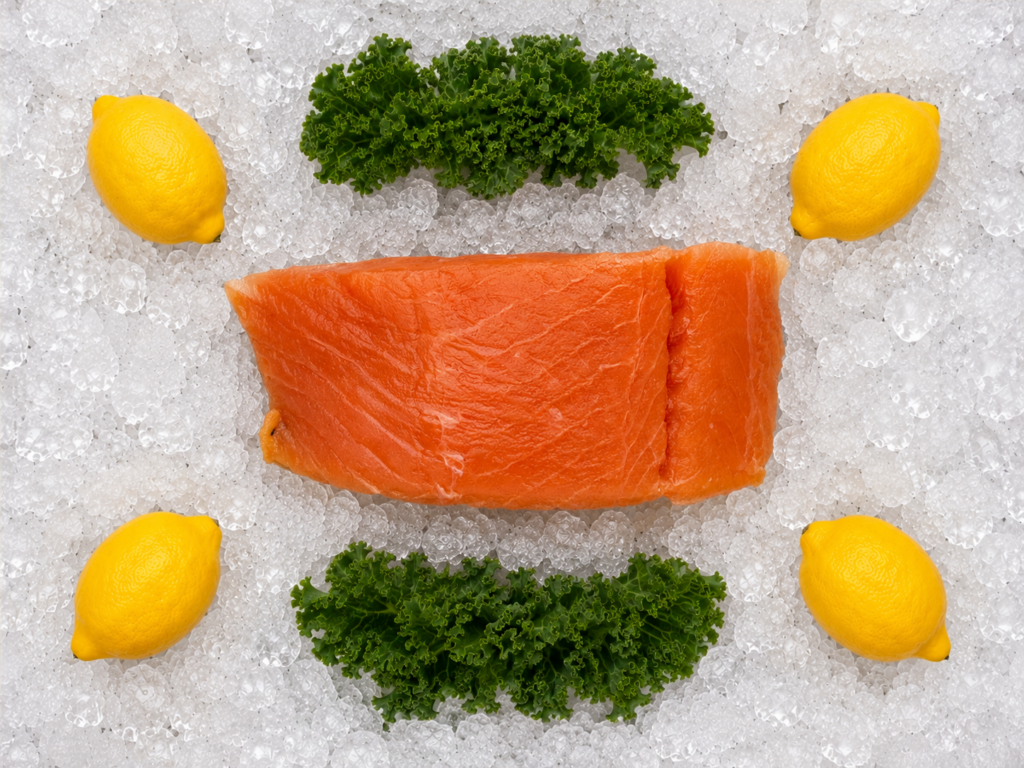
Norwegian salmon is celebrated worldwide for its clean, mild, and delicate flavor. It features a rich, buttery texture and a firm, succulent mouthfeel. Because of its subtle, refined taste, it is highly versatile and widely considered an ideal choice for both cooked dishes and raw preparations like sushi. Norwegian farm-raised salmon are fed a scientifically formulated, dry pellet diet consisting of roughly 70% vegetable ingredients and 30% marine raw materials. This carefully designed feed is rich in proteins, fats, essential amino acids. The ingredients in these feed pellets are meticulously regulated to replicate wild salmon's omnivorous diet while ensuring sustainability. Organic / Non GMO, 8-9 IVP Skinless Boneless Portions.
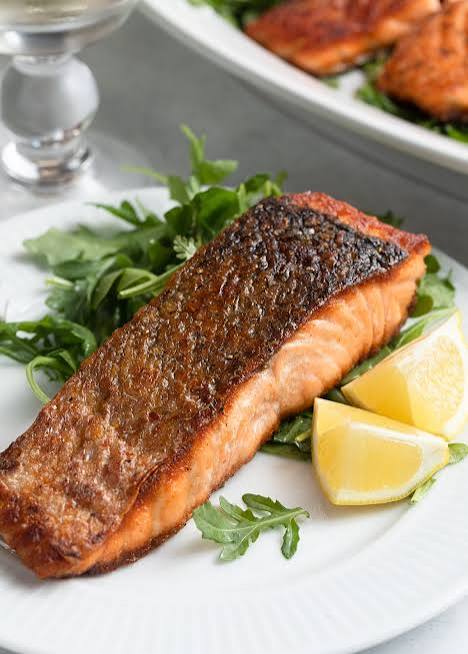
Best Method: Pan-Seared Salmon
1. Thaw completely.
Thaw in the refrigerator overnight. Pat the salmon dry with paper towels.
2. Season the salmon.
Brush lightly with olive oil. Season both sides with salt, pepper, garlic powder, and paprika.
3. Heat the pan.
Place a skillet over medium-high heat. Add a small amount of olive oil or avocado oil.
4. Start skin-side down.
Place the salmon in the pan skin-side down. Press gently for 10–15 seconds so the skin doesn't curl.
5. Cook skin-side down.
Cook for 5–7 minutes without moving it. The salmon will become lighter pink as it cooks upward.
6. Flip carefully.
Flip and cook the flesh side for 2–4 minutes.
7. Add butter.
Reduce heat slightly. Add butter, minced garlic, and a squeeze of lemon juice.
8. Baste the salmon.
Spoon the butter over the fish for 1–2 minutes.
9. Check temperature.
Remove when the thickest part reaches 125–130°F for moist salmon or 140–145°F if you prefer it fully cooked.
10. Rest and serve.
Let rest for 3–5 minutes, then finish with fresh lemon and parsley.
Important: Most people overcook salmon. Pull it off the heat around 125–130°F and let carryover cooking finish the job. The fish should flake easily and stay moist.